



Congress corners Gadkari for promoting ethanol mixed fuel
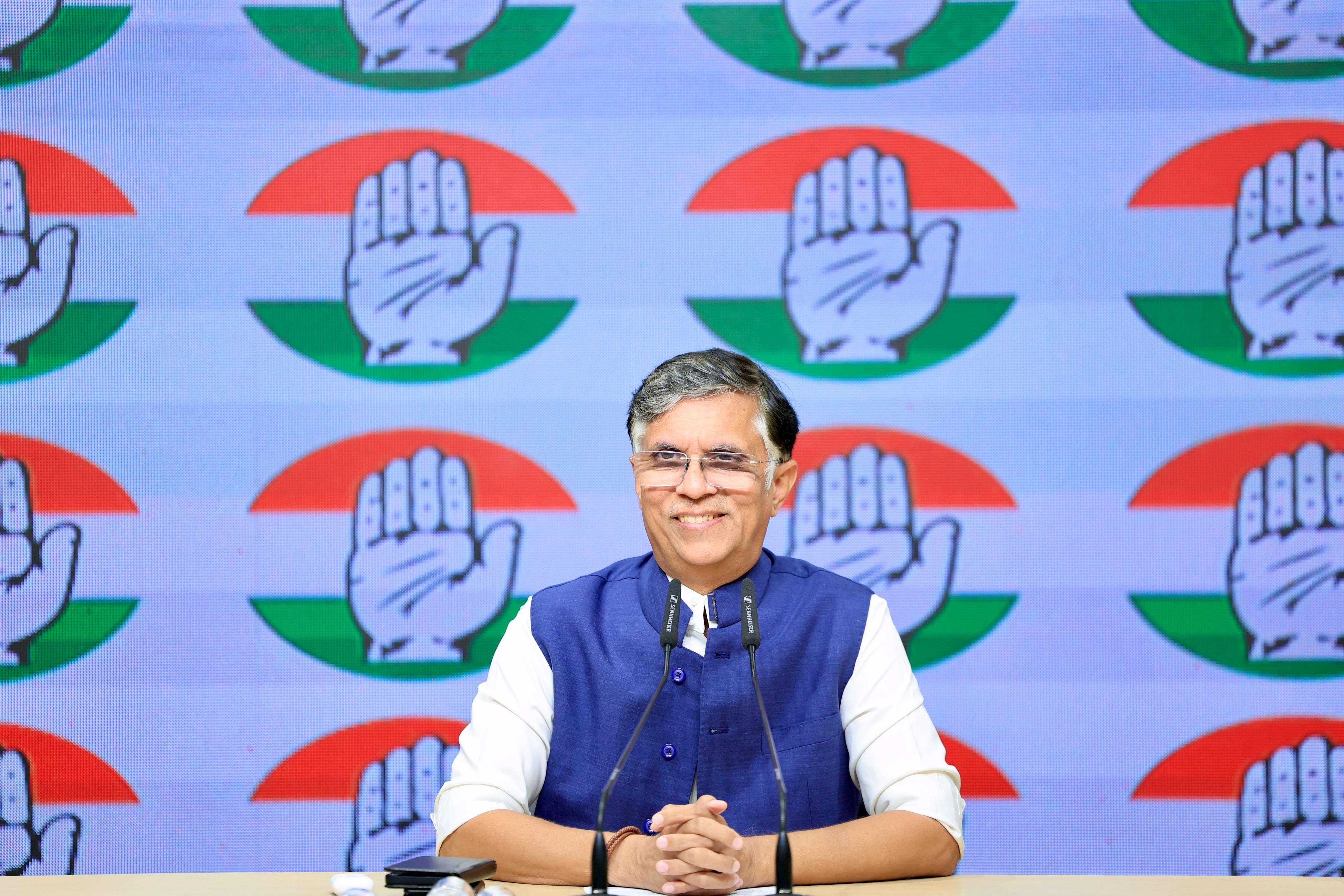
Spokesperson: Shri Pawan Khera: He referred to Gadkari’s claims made in 2018 that ethanol mixing will help in bringing down the cost of diesel to Rs. 50 per litre and petrol alternative to Rs. 55 per litre.
“Instead, the common man is left paying more—vehicles guzzle more fuel, break down sooner, and each litre of ethanol guzzles a staggering 3,000 litres of water”, he pointed out, while adding, petrol prices have soared from Rs. 71.41 in 2014 to Rs. 94.77 per litre in 2025, and diesel from Rs. 55.49 to Rs. 87.67 per litre.
He said - The Congress today cornered the Union Minister for Road Transport and Highways, Nitin Gadkari over aggressively lobbying for “ethanol blending policy”, alleging that there was clear conflict of interest involved as his two sons were main ethanol suppliers.
He said, Cian Agro Industries Infrastructure Ltd, which is a key ethanol supplier, is owned by Nikhil Gadkari while Sarang Gadkari is director at Manas Agro Industries, which is also engaged in ethanol production.
Shri Pawan Khera revealed that the Cian Agro’s revenue jumped from Rs. 18 crore in June 2024 to Rs. 523 crore in June 2025, while the stock price surged by 2184% from Rs. 37.45 in Jan 2025 to Rs. 638 in August 2025. “While the common man’s wages have stagnated and declined, Cian Agro’s financial ascent is staggering”, he remarked.
Shri Pawan Khera also referred to the unprecedented “policy acceleration” with obvious interests in fulfilling the target of blending 20 percent ethanol before the 2025 deadline, advanced from 2030 in the 2022 policy amendment. “This is the first time in Indian history that any policy has achieved its target before the deadline”, he quipped. He said that the government had ignored the citizens’ worries about engine life, mileage, and maintenance as Gadkari dismissed these and blamed a “petroleum lobby” calling ethanol a “clean fuel.” Pointing out there was no price relief either, he said, instead of addressing the concerns of citizens, the government is now planning to target 30 percent ethanol blending (E30) by 2030. “In terms of pricing, the price of blended petrol has not decreased by even a single rupee—far from the Rs. 55 per litre that was promised”, he pointed out. Noting that after seven years of ethanol blending, the cost of petrol blended with 10 percent ethanol (E10) or 20 percent ethanol (E20) remains the same as regular petrol, Shri Khera said, even though the oil market is dominated by public sector oil marketing companies, the government still has not reduced fuel prices, even after importing cheap crude oil from Russia and achieving 20 percent ethanol blending. “There has not been a single paisa reduction in petrol prices. This leads to a crucial question: Who is pocketing the profits from this massive policy push?” he asked. Quoting Gadkari’s 2018 statement that the plants would be set up to produce ethanol from wood-based products and segregated municipal waste, he said, the data, however, suggests a different picture.
He said in 2023–24, out of the 672 crore litres of ethanol produced—56.75 percent from sugarcane and 38.08 percent from grains. Almost none came from wood-based or municipal waste sources as originally promised, he said, asking, “why is the sugarcane-based ethanol being promoted?” “Because Union Minister Shri Nitin Gadkari, along with his associates and the RSS, is reported to have business interests in sugar mills”, he alleged. He said ethanol blending (E20) is linked to 25 percent reduced engine life, 25 percent higher maintenance costs, and greater mileage loss than official estimates. He asked, if ethanol blending was meant to bring petrol down to Rs 55 per litre, why are Indians still paying nearly double—and who’s pocketing the difference? “Is the E-20 ethanol push a matter of public policy or an alleged windfall for Shri Gadkari’s sons and their companies?” he asked, adding, will the Lokpal dare to investigate the allegations against Gadkari & sons? Thursday September 4, 2025
Indian National Congress
AICC Hq, Indira Bhawan, 9A Kotla Marg, New Delhi - 110002