

Escalating Atrocities Against Tribals: A Human Rights Crisis in Madhya Pradesh
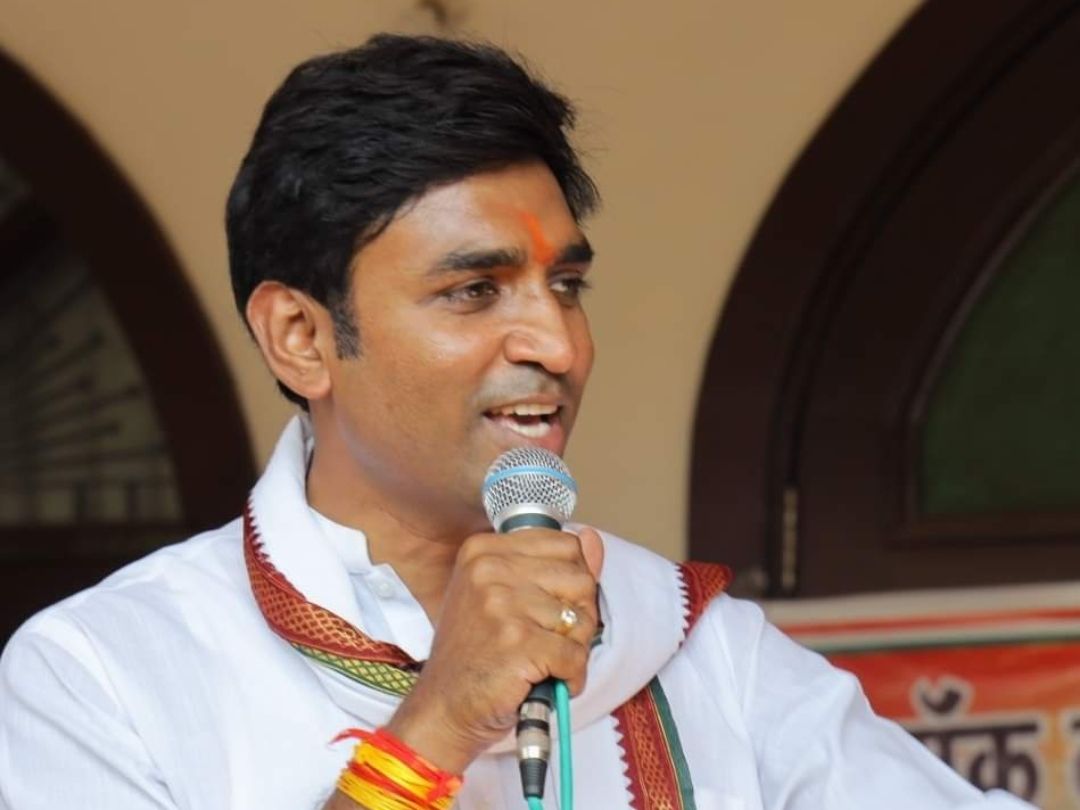
- Dr. Vikrant Bhuria
Introduction India’s Constitution provides special protections for the rights of tribal communities. However, in states like Madhya Pradesh, tribals continue to face systemic injustice, violence, and government neglect. According to the National Crime Records Bureau (NCRB), Madhya Pradesh ranks first in crimes against tribals. This article examines a series of incidents that highlight the alarming rise in atrocities committed against tribal communities in Madhya Pradesh and other regions.
Chronology of Increasing Crimes Against Tribals in Madhya Pradesh
1. Neemuch Incident – A Tribal Man Dragged to Death
In Neemuch, a tribal man named Kanhaiyalal Bhil was tied to a vehicle and dragged on the road, leading to his death. Later, the accused attempted to portray him as a thief, but the truth soon came out. This case illustrates the deep-seated hatred and indifference of the administration towards tribals. The incident sparked outrage across the country, but justice remains elusive.
2. Nemawar Massacre – Five Siblings and a Young Brother Buried Alive
In Nemawar, five tribal sisters and their young brother were brutally murdered and buried alive in a 10-feet-deep pit. Their mother was also subjected to a murder attempt. Shockingly, despite the enormity of the crime, the case saw no serious action for nearly two months. The involvement of politically connected individuals from the BJP was alleged, which may have influenced the delay in justice. This incident highlighted the institutionalized protection offered to those accused of crimes against tribals.
3. Singrauli Incident – BJP MLA’s Son Accused of Shooting a Tribal Youth
In Singrauli, the son of BJP MLA Ramlallu Vaishya was accused of shooting a tribal youth. Given the influence of the accused’s family, there were fears that justice would be compromised. This case demonstrated how political influence can obstruct justice in crimes against tribals.
4. Sidhi Urination Incident
In Sidhi, Madhya Pradesh, a tribal man was urinated upon by an upper-caste individual. Initially, the administration tried to shield the accused, but widespread protests and social media outrage forced authorities to take action. This degrading act against a tribal citizen underscored the caste-based discrimination still prevalent in many parts of India.
5. Mhow (Indore) Incident – Rape and Murder of a Tribal Woman
In Mhow, a tribal woman was brutally raped and murdered. When the tribal community protested and demanded justice, the police responded with gunfire, leading to further deaths. This case reflects police brutality against tribals and the reluctance of authorities to address crimes against them.
6. Lateri (Vidisha) Firing – A Tribal Killed on World Tribal Day
On World Tribal Day, forest department officials in Lateri (Vidisha district) shot and killed a young tribal man, Chand Singh Bhil. The tragic irony of a tribal person being killed on a day meant to celebrate tribal heritage exemplifies the harsh reality tribals face in India.
7. Guna Incident – Tribal Woman Burnt Alive Over Land Dispute
In Guna, a tribal woman named Rampyari Bai was set on fire alive over a land dispute. This inhuman act was a stark reminder of how land rights continue to be a major cause of violence against tribals. Despite land protection laws, tribals often struggle to retain ownership of their ancestral land.
8. Seoni Lynching – Two Tribals Beaten to Death by Bajrang Dal Members
In Seoni, two tribal men were brutally lynched by members of the Bajrang Dal, a Hindu nationalist group. The victims were accused of cow slaughter, and the mob beat them to death. This case represents the increasing communal violence targeting tribals under the pretext of religious issues.
9. Khargone Incident – Tribal Man Killed
In Khargone, a tribal man named Bishan Bhil was murdered under suspicious circumstances. His death added to the growing list of crimes against tribals in Madhya Pradesh, where justice for such cases remains slow and inconsistent.
10. Manpur (Indore) – 10th Grade Tribal Student Killed
In Manpur, Indore district, a 10thgrade tribal student was beaten to death by the police on false charges of theft. This case highlights how tribals are often falsely accused and subjected to police brutality without due legal process.
11. Budhni Incident – Murder of Vinod Adivasi
In Budhni, a tribal man named Vinod Adivasi was murdered, and despite repeated appeals, a fair investigation has not yet been conducted. The lack of accountability in such cases raises serious concerns about institutional apathy towards tribals.
12. Chitrangi Firing – Tribal Youth Shot Dead
The most recent case in Chitrangi involved the fatal shooting of a tribal youth. This incident further highlights the rising violence against tribals and the urgent need for systemic reforms.
13. Jhabua Bori Land Dispute – Two Women Attempt Suicide in Protest
In Jhabua’s Bori region, forest department officials attempted to forcefully seize tribal land, violating the Forest Rights Act. In protest, two tribal women consumed poison. This case is a glaring example of how tribals are still being dispossessed of their ancestral lands despite legal protections. The government’s failure to implement laws protecting tribal land rights continues to push tribals towards desperation and extreme actions.
Conclusion and Solutions
The above cases represent only a fraction of the widespread violence and discrimination faced by tribal communities in Madhya Pradesh. The true picture is even more horrifying, as many cases go unreported due to fear, oppression, and administrative negligence.
What Needs to Be Done?
Strict Legal Actions – Perpetrators of crimes against tribals must be punished under strict laws, ensuring speedy justice. Implementation of the Forest Rights Act – Tribals are being forcibly evicted from their lands despite existing laws. Proper enforcement of land rights is essential. Formation of a Tribal Protection Force – A special security force should be established to protect tribals from violence. Independent Investigation Commissions – Crimes against tribals must be investigated by independent bodies rather than local police, which often acts under political pressure. Education and Awareness – Tribals must be made aware of their constitutional rights, and legal aid should be provided to them.
Final Words Tribal communities are an integral part of India’s cultural and historical heritage. However, they continue to face discrimination, violence, and injustice. This is not just a tribal crisis but a national crisis. The dream of an inclusive India will remain incomplete if its most vulnerable communities continue to suffer at the hands of the state and society. It is high time that the government, civil society, and judiciary come together to protect the rights of tribals and ensure justice for past atrocities. If concrete measures are not taken now, India’s promises of equality and justice will remain hollow slogans. Justice delayed is justice denied – Tribals deserve better!
The author is a Chairman, All-India Adivasi Congress
Indian National Congress
AICC Hq, Indira Bhawan, 9A Kotla Marg, New Delhi - 110002